·
Materials
Modern Materials in Residential Design

Sofia Renn
Construction & Materials Consultant
A closer look at the materials defining contemporary homes and their lasting impact.
From engineered timber to recycled steel, the materials we build with shape how homes feel, age, and perform. This piece takes a closer look at the materials defining contemporary residential design and their lasting impact.
Engineered timber — cross-laminated timber (CLT), glulam, and laminated veneer lumber — has fundamentally altered the economics and speed of residential construction. CLT panels arrive on site pre-cut and dimensioned, dramatically reducing wet trades and waste. A structural shell that might take weeks to erect in reinforced concrete can be assembled in days with CLT, with greater dimensional accuracy and a significantly lower embodied carbon footprint. The material is also forgiving to work with on site: it can be cut, drilled, and adjusted with basic carpentry tools, reducing dependency on specialist labour.
Recycled and reclaimed steel is finding a renewed role in residential construction, particularly in hybrid structural systems where a steel frame is combined with timber or concrete floor plates. Cold-formed light steel framing offers high strength-to-weight ratios, precision factory fabrication, and excellent compatibility with offsite manufacturing workflows. When sourced from electric arc furnace production — which uses recycled scrap metal — structural steel can carry a carbon intensity dramatically lower than virgin material.
The building envelope is where material choice has the most direct impact on long-term performance. Highly insulated, thermally broken façade systems — whether using mineral wool batts, rigid foam, or aerogel-enhanced panels — reduce heating and cooling loads substantially. Fibre cement and cement board cladding systems now offer the aesthetic warmth of timber or stone with far greater durability, requiring minimal maintenance over the life of the building. These are not purely stylistic upgrades; they translate directly into reduced operational costs for homeowners over decades.
As the residential sector moves toward net-zero targets, the specification of materials is becoming a technical discipline as rigorous as structural or services engineering. Whole-life carbon assessments, Environmental Product Declarations (EPDs), and third-party certification schemes are increasingly shaping procurement decisions. The homes being built today will stand for decades; the materials chosen now will determine both the quality of those buildings and the legacy of their construction on the wider environment.
OUR JOURNAL
More from the journal.
May 28, 2025
·
Design
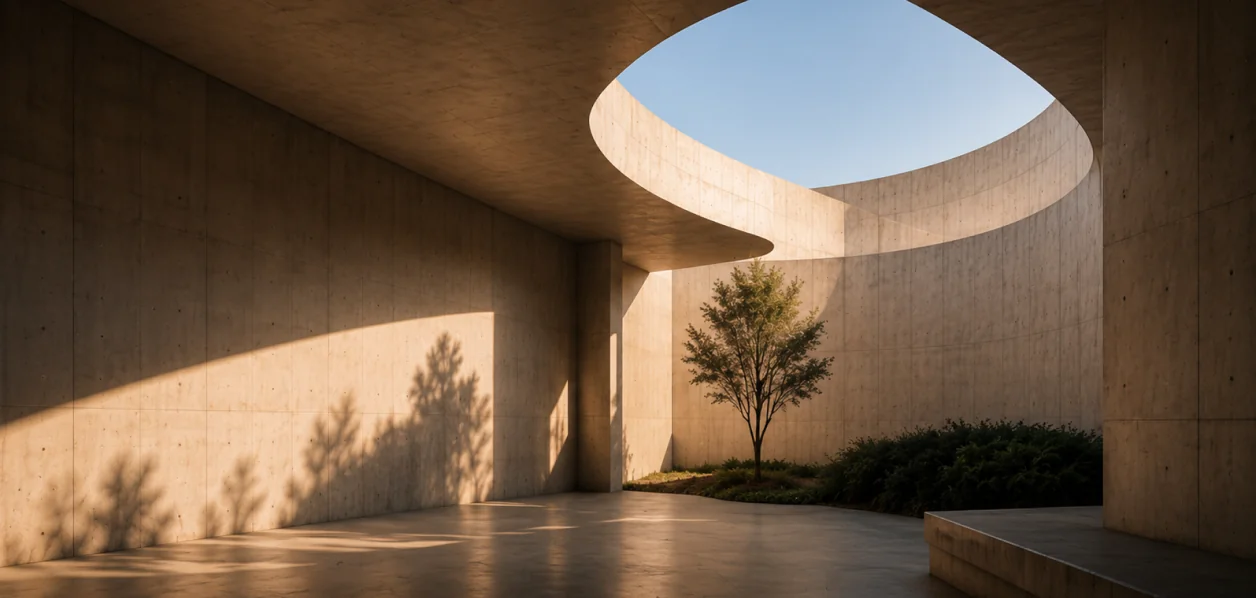
The Future of Minimal Concrete Architecture
Exploring how simplicity, material honesty, and timeless design principles are shaping the next generation of architecture.
Apr 24, 2025
·
Materials
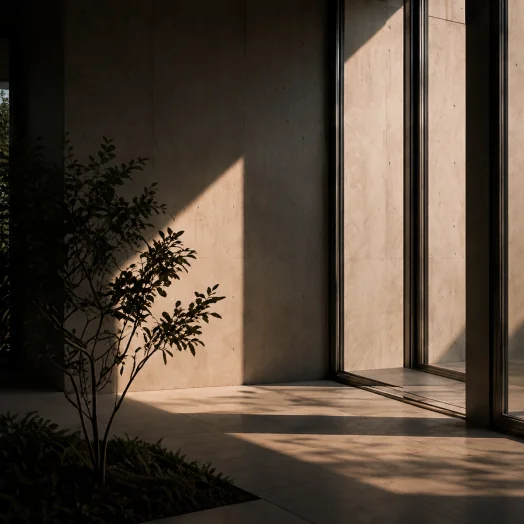
How Natural Light Shapes Interior Spaces
Understanding the power of natural light in creating mood, depth, and purpose in every space.